Runescape Dragon Wilds – Opas Tehokkaaseen Farmukseen
Jagex Expands Into Survival Territory
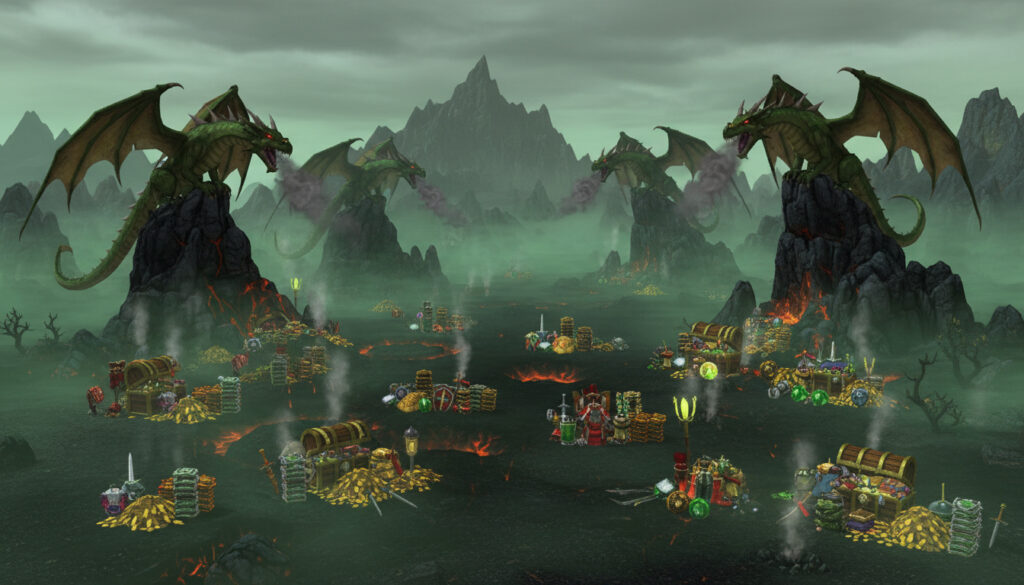
The Cambridge-based studio behind one of gaming’s longest-running MMORPGs is venturing into uncharted territory. Jagex has announced RuneScape: Dragon Wilds, a survival crafting MMO set within the familiar fantasy universe but built upon entirely different mechanical foundations. Rather than iterating on the traditional click-and-wait combat that defined twenty-three years of RuneScape history, this standalone project embraces resource management, base construction, and dragon taming in a hostile open world.
Key Features at a Glance
Dragon Wilds distinguishes itself through several core pillars that separate it from both its predecessors and competitors in the survival genre. Players awaken in the eponymous wilderness where iconic creatures function as environmental hazards rather than mere loot sources. The progression loop centers on bonding with and eventually riding dragons, transforming the ultimate predators into mounts and companions.
Cooperative multiplayer supports up to four survivors per instance, though solo play remains viable through adjusted difficulty scaling. Combat adopts an action-oriented approach with dodge rolls and stamina management, abandoning the tab-targeting systems long-time players might expect. The game utilizes Unreal Engine 5, enabling dynamic weather and physics-based interactions impossible within the infrastructure supporting existing RuneScape services.
Design Philosophy
Early development interviews reveal a deliberate pivot toward emergent storytelling. Where traditional RuneScape titles rely on scripted quest narratives, Dragon Wilds generates drama through survival mechanics and player agency. The Dragon Wilds setting itself draws from deep lore cuts, specifically the uncharted territories beyond Gielinor’s mapped continents, allowing narrative freedom without contradicting established canon regarding the Dragonkin and Zarosian history.
The economic systems reflect this sandbox philosophy. Unlike the Grand Exchange auction house central to mainline RuneScape, Dragon Wilds emphasizes physical resource proximity and player-to-player bartering within shared instances.
Technical Comparison
| Feature | RuneScape: Dragon Wilds | Traditional RuneScape |
|---|---|---|
| Genre | Survival Crafting MMO | Theme Park MMORPG |
| Combat System | Action-Based | Tab-Target / Ability Rotation |
| Progression | Equipment and Base Building | Skill Levels and Quests |
| Monetization | Premium Buy-to-Play | Free-to-Play with Membership |
| Engine | Unreal Engine 5 | Proprietary Java/CPP Client |
Gameplay Deep Dive
Hands-on previews describe a familiar yet distinct loop. Initial hours focus on securing shelter and establishing food sources before nightfall brings increased danger. Resource gathering incorporates RuneScape’s iconic woodcutting and mining metaphors but translates them into real-time physics interactions. Copper and tin must be physically transported to smelting stations rather than magically appearing in a universal bank.
Dragon taming represents the endgame power fantasy. Rather than serving as simple cosmetic mounts, these creatures provide transportation, combat assistance, and resource hauling capabilities. Each species requires specific bonding rituals and dietary maintenance, adding Tamagotchi-like management layers to the survival experience.
Roadmap and Release
Jagex revealed the project during the summer of 2024, accompanied by a cinematic trailer showcasing the visual shift toward gritty realism. Closed alpha testing commenced shortly after announcement, with selected community members exploring the initial biome. Early access release targets PC platforms first, with console versions under active consideration for late 2025.
The development team comprises veterans from both Jagex and other survival genre specialists, suggesting a deliberate hybridization of RuneScape’s narrative depth with systems popularized by titles like Valheim and Ark: Survival Evolved.
Clarifying the Ecosystem
Significant confusion emerged within the community regarding whether Dragon Wilds represents a replacement for existing services. Previous analysis of Jagex’s roadmap indicated the studio’s commitment to multi-project development, and official statements emphasize that Old School RuneScape and RuneScape 3 will continue receiving updates independently. These titles operate on separate codebases developed by distinct teams.
Players need no prior RuneScape knowledge to engage with Dragon Wilds, though veterans will recognize references to familiar lore. Progression does not transfer between games; Dragon Wilds requires a fresh account start with no connection to existing banks, levels, or achievements.
Industry Implications
Jagex enters a saturated but lucrative market segment. Survival crafting games demonstrate strong player retention when coupled with compelling IP. By leveraging one of gaming’s most recognizable fantasy brands, the studio potentially circumvents the visibility challenges facing new entrants in the genre.
Jos haluat lukea aiheesta lisaa, voit katsoa Mummorulla.
However, the pivot carries substantial risk. Market analysis suggests that appealing to both survival enthusiasts and traditional MMO players requires careful balancing of punishing mechanics with accessible onboarding. The decision to utilize a separate engine prevents technical debt from affecting the main games but doubles the studio’s maintenance burden. Current trends in multiplayer gaming suggest that successful hybridization could open new revenue streams, though failure might dilute the brand’s twenty-year reputation.
Developer Voice
“We approached this not as RuneScape with survival mechanics taped on, but as a survival game that happens to breathe RuneScape’s atmosphere. The dragons aren’t just reskinned wolves; they represent the ultimate power fantasy that our universe has always promised but previous gameplay systems couldn’t quite deliver.”
— Executive Producer, Jagex
Conclusion
RuneScape: Dragon Wilds represents Jagex’s most significant diversification since the 2013 split between Old School and modern RuneScape. By transplanting familiar iconography into the survival crafting mold, the studio targets both nostalgic veterans and genre newcomers. The success of this venture will likely determine whether the RuneScape IP expands into additional gaming verticals or retreats to its MMO stronghold.
Common Questions
Is RuneScape: Dragon Wilds free to play?
No. Unlike the main RuneScape titles, Dragon Wilds follows a premium buy-to-play model with an upfront purchase price. Jagex has confirmed there will be no subscription requirement, though cosmetic microtransactions may appear post-launch.
Will Dragon Wilds receive the same updates as RuneScape 3?
These are entirely separate projects developed by distinct teams. Content updates for Dragon Wilds will focus on new biomes, dragon species, and survival mechanics rather than the quest lines and skill expansions typical of the main MMO.
Can I transfer my existing RuneScape character or items?
Progression does not transfer between games. Dragon Wilds requires a fresh account start with no connection to existing banks, levels, or achievements from RuneScape 3 or Old School RuneScape.
What are the system requirements?
Minimum specifications target modern mid-range hardware due to Unreal Engine 5’s demands: 16GB RAM, SSD storage, and DirectX 12 compatible graphics cards. Specific GPU models will be confirmed closer to early access launch.
Does the game support controller input?
Full controller support is implemented for PC, with user interface adjustments planned for potential console releases. Keyboard and mouse remain the primary input method during the initial testing phases.
Lisaa liittyvia artikkeleita
 HAMK opiskelijan työkalut – digitaaliset palvelut ja ohjeet
 Vuokra-asunnot Kotka – Löydä sopiva koti vertailemalla
 Top 10 matkat 2026 – vertaa edullisia pakettimatkoja
 Iina Kuustonen lapset – perhe ja äitiys
 IKEA Vantaa aukiolo: Ravintola, aamiainen, hinnat
 sporttiset lyhyet hiukset – Stailaus, muotoilu ja leikkaus
 MM jääkiekko 2025: tulokset, otteluohjelma ja Leijonien pelit
 Milloin on äitienpäivä? Päivämäärä, historia ja vietto maailmalla